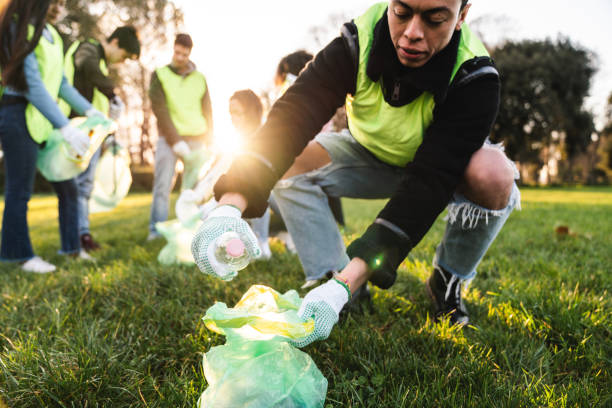
Plastic pollution is a global problem
Plastic pollution has emerged as a pressing global issue, with detrimental consequences for the environment, marine life, and human health. To address this crisis, a comprehensive international treaty is imperative. This article outlines key elements that should be incorporated into an effective treaty to curb plastic pollution, emphasizing the need for collaboration, regulation, and innovative solutions.
Global Collaboration:
An effective treaty must prioritize global collaboration. Plastic pollution transcends national borders, and any successful effort to combat it requires a united front. Nations should commit to sharing information, technologies, and best practices. Collaborative research initiatives can enhance our understanding of plastic pollution and its impacts, facilitating the development of targeted solutions.
Clear Definition and Scope:
The treaty should provide a clear and comprehensive definition of plastic pollution, encompassing all stages of the plastic life cycle, from production to disposal. A well-defined scope will ensure that all forms of plastic waste, including microplastics, are addressed. This holistic approach is vital for mitigating the various dimensions of the problem effectively.
Reduction Targets and Timelines:
Setting ambitious yet achievable reduction targets is a fundamental aspect of the treaty. Nations should commit to quantifiable goals, such as reducing single-use plastics, increasing recycling rates, and promoting sustainable alternatives. Clear timelines and periodic assessments will hold countries accountable, fostering a sense of urgency in addressing plastic pollution.
Extended Producer Responsibility (EPR):
An effective treaty should incorporate the principle of Extended Producer Responsibility (EPR). Producers should be held accountable for the entire life cycle of their products, from design to disposal. This includes responsibility for recycling infrastructure, collection systems, and proper disposal methods. EPR encourages producers to adopt environmentally friendly practices and designs, promoting a circular economy.
Plastic Waste Trade Regulation:
To prevent the export of plastic pollution, the treaty should establish strict regulations on the international trade of plastic waste. Bans on the export of certain types of plastic waste and greater transparency in trade practices will discourage the improper disposal of plastic waste in developing countries.
Innovative Technologies and Research:
Investment in research and development of innovative technologies is crucial for tackling plastic pollution. The treaty should encourage the sharing of technological advancements and support the development of sustainable alternatives to plastic. By fostering innovation, nations can transition towards a future where plastic pollution is minimized.
Education and Awareness:
A successful treaty must include provisions for education and awareness programs to inform the public about the impact of plastic pollution and promote responsible consumption. By fostering a global understanding of the issue, individuals can make informed choices that contribute to reducing plastic waste.
Enforcement Mechanisms:
An effective treaty requires robust enforcement mechanisms to ensure compliance by participating nations. This may involve the establishment of an international body responsible for monitoring and evaluating each country’s progress. Sanctions for non-compliance should be clearly defined to incentivize adherence to the treaty’s provisions.
Conclusion:
Designing an effective treaty to curb global plastic pollution is a complex yet essential undertaking. By fostering global collaboration, setting clear reduction targets, implementing EPR, regulating plastic waste trade, promoting innovation, raising public awareness, and establishing enforcement mechanisms, the international community can work together to address this urgent environmental challenge. It is only through a collective and committed effort that we can hope to create a sustainable future free from the shackles of plastic pollution.